Creating role models to inspire tomorrow’s scientists: A.M.E Zion Girls’ Senior High School Celebrates International Day of Women and Girls in Science
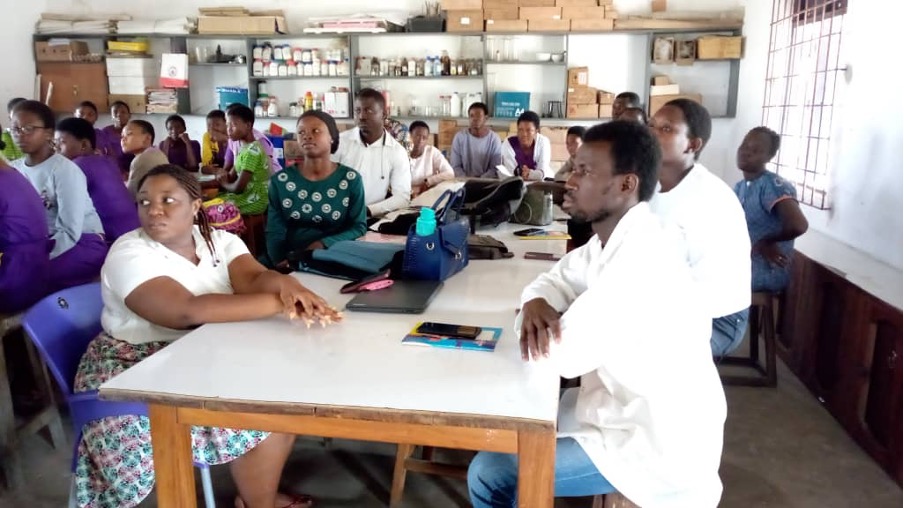
This annual observance serves as an opportunity to celebrate the contributions of women in science and to encourage young girls to explore opportunities in STEM fields.
Spotlight on Faustina Yankson: Newly-Qualified Teacher from OLA College of Education and former T-TEL/TTAG Intern
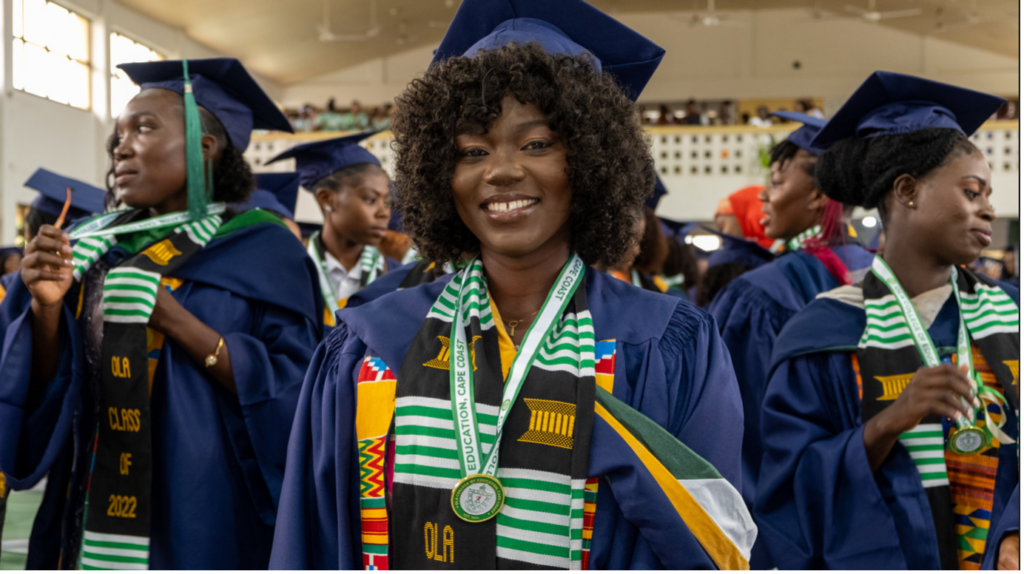
Faustina narrates how she excelled in college, graduated with First Class Honours and also emerged as the Best Graduating Student in ICT. In her words, “I am bent on breaking barriers and look forward to being a transformative teacher”.
Transforming Teaching, Education and Learning (T-TEL) holds its 3rd Annual General Meeting to review progress on collaborative efforts towards education reform
The AGM provided the opportunity for Board Members, T-TEL Subscribers, Key Advisors and Senior Management toreview the organization’s operations in 2022/23, to celebrate successes and strategize as to how to overcome challenges going forward.
Ghana Education Service to roll out Professional Learning Community sessions across all Senior High Schools and Senior High Secondary Technical Schools
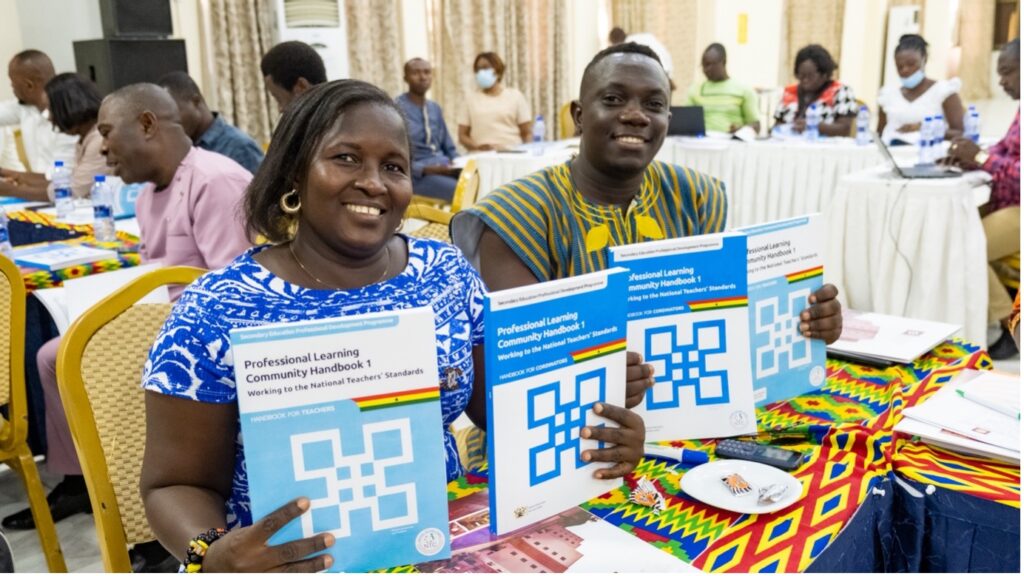
GES has piloted the use of weekly PLC sessions in 12 SHS and SHTS since January 2022, using structured Handbooks developed in partnership with the National Teaching Council (NTC). A recent evaluation found that these weekly sessions had a significant impact on improving teaching and learning in these 12 schools, providing a strong evidence-base for the national scale-up of this approach.
<strong>Ghana Education Service, Ministry of Education and their agencies join T-TEL to visit schools in Lambussie District to observe progress made on the Communities of Excellence Programme</strong>
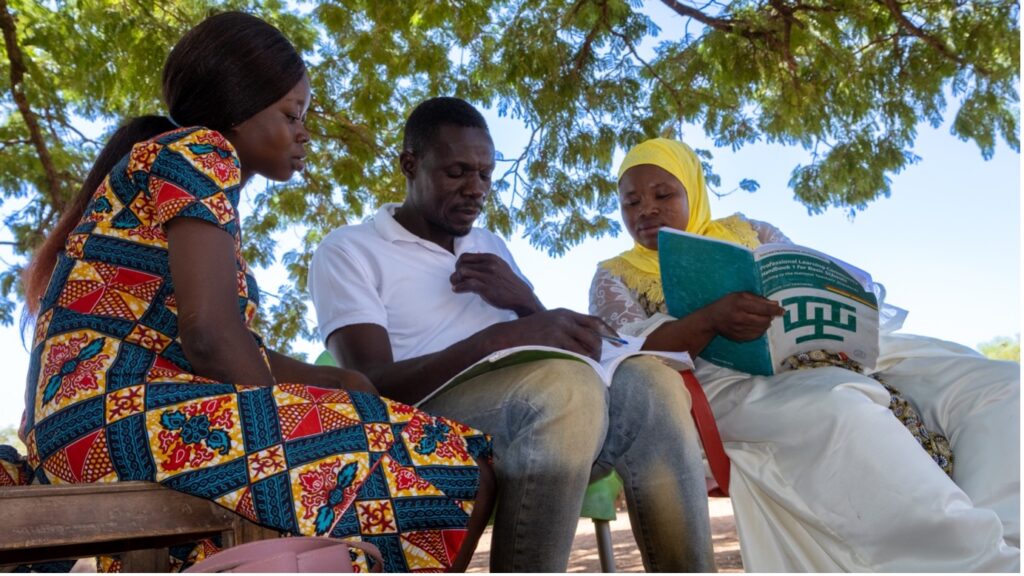
These visitors included such distinguished educationists as Professor Jophus Anamuah-Mensah (Board Chair of T-TEL), Patty Assan (GES’s Director of Schools and Instructions), Professor Mohammed Salifu (Director-General of GTEC), Nana Baffour Awuah (MoE’s Director of Pre-Tertiary Education) and Michael Yaw Acheampong (NaSIA’s Deputy Inspector General).
<strong>Empowering District Education Officers: Ghana Education Service organizes training workshop on Effective Classroom Observation and Professional Learning Community Sessions</strong>
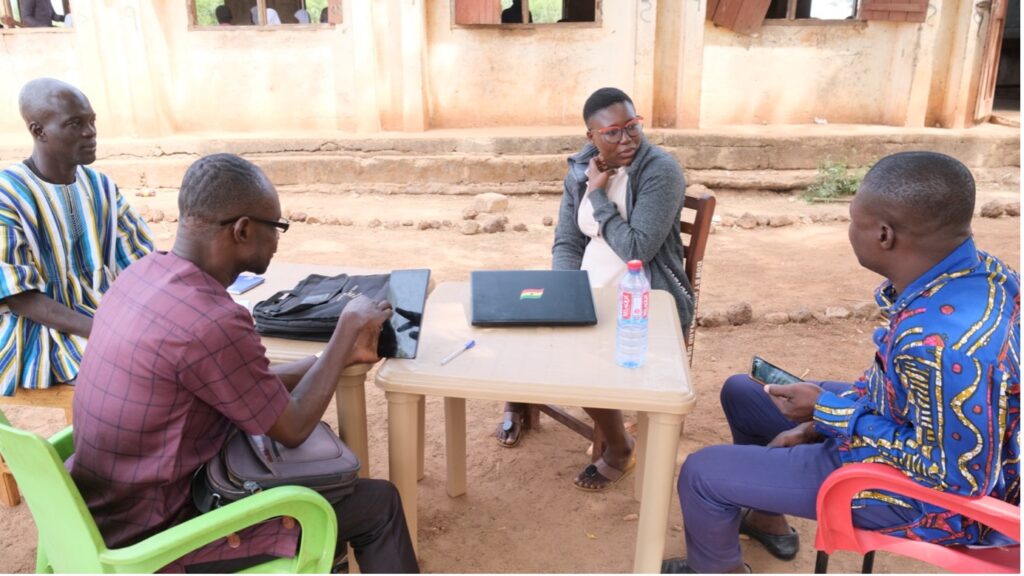
The training was a response to a monitoring exercise conducted by GES in the districts to observe how the district officers were effectively observing teachers during lesson delivery and to assess the extent to which they were adhering to and applying the National Teachers’ Standards during teaching and learning.
PRESS RELEASE Transformation in Ghanaian Teacher Education: First Batch of Bachelor of Education (B.Ed.) students to graduate from Colleges of Education (CoEs)
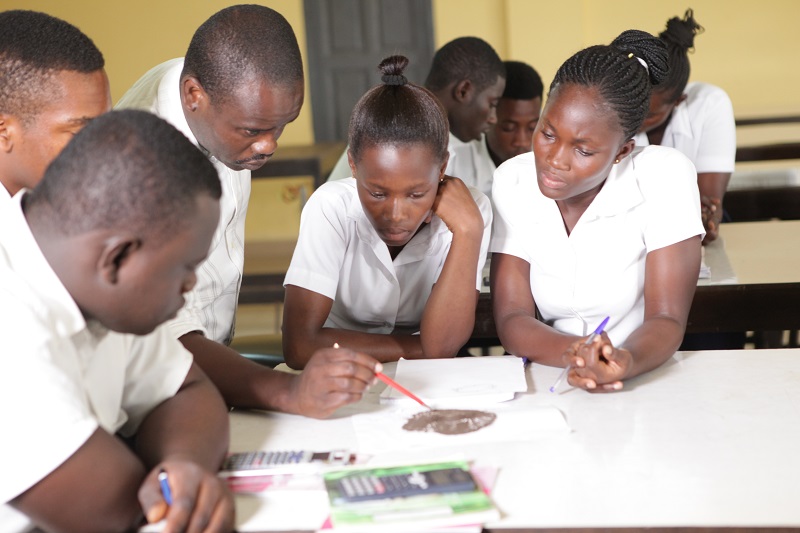
For the first time in the history of our education system, Ghana will produce its first Bachelor of Education (B.Ed) cohort from our 46 public Colleges of Education. The beginning teachers graduating from the B.Ed. meet the National Teachers’ Standards and are well prepared to deliver the standards-based curriculum which was rolled out nationwide in 2019.
T-TEL PARTNERS WITH THE TEACHER TRAINEES’ ASSOCIATION OF GHANA (TTAG) TO OFFER INTERNSHIPS FOR STUDENT TEACHERS
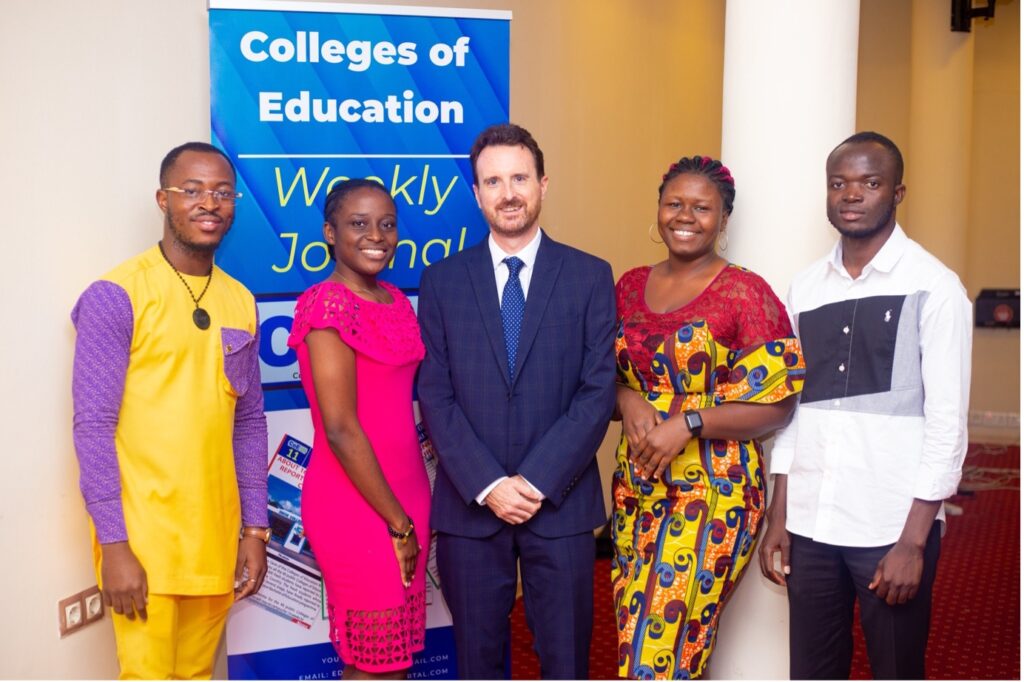
The internships, which are offered to student teachers twice a year for four weeks during College of Education vacation periods, provide the opportunity to gain practical work experience and also understand how T-TEL collaborates and works with the Ministry of Education and government agencies both nationally and sub-nationally.
Ghana Education Service and T-TEL organise Communications Training for district communicators under the Communities of Excellence Programme
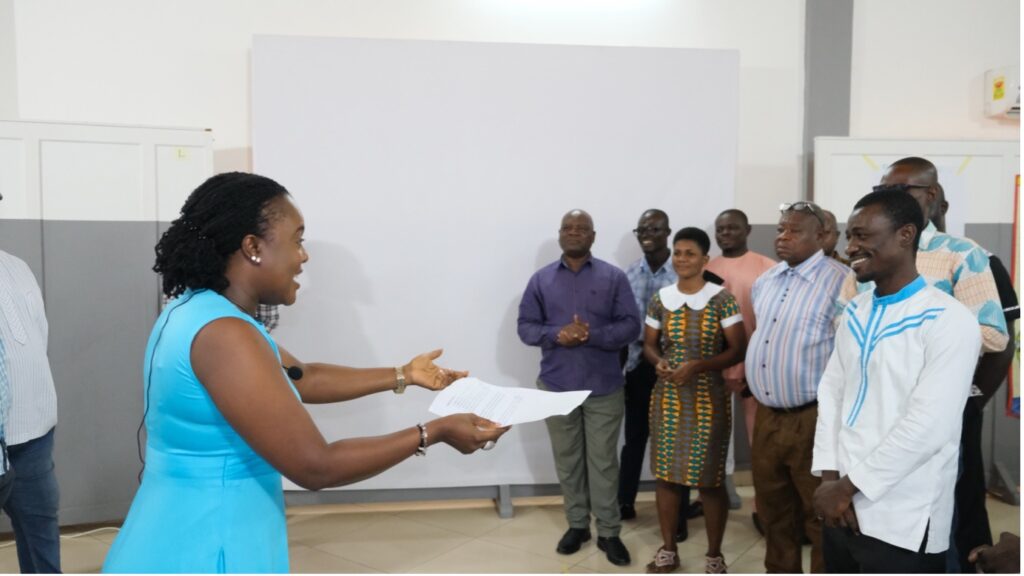
The training, which took place at the T-TEL Office in Accra on 15th and 16th August, was aimed at empowering the teams so that they can develop robust communications plans and equipping them with effective and appropriate tools to communicate with stakeholders.
Colleges of Education Weekly Journal (CoEWJ) holds a National Dialogue on Initial Teacher Education
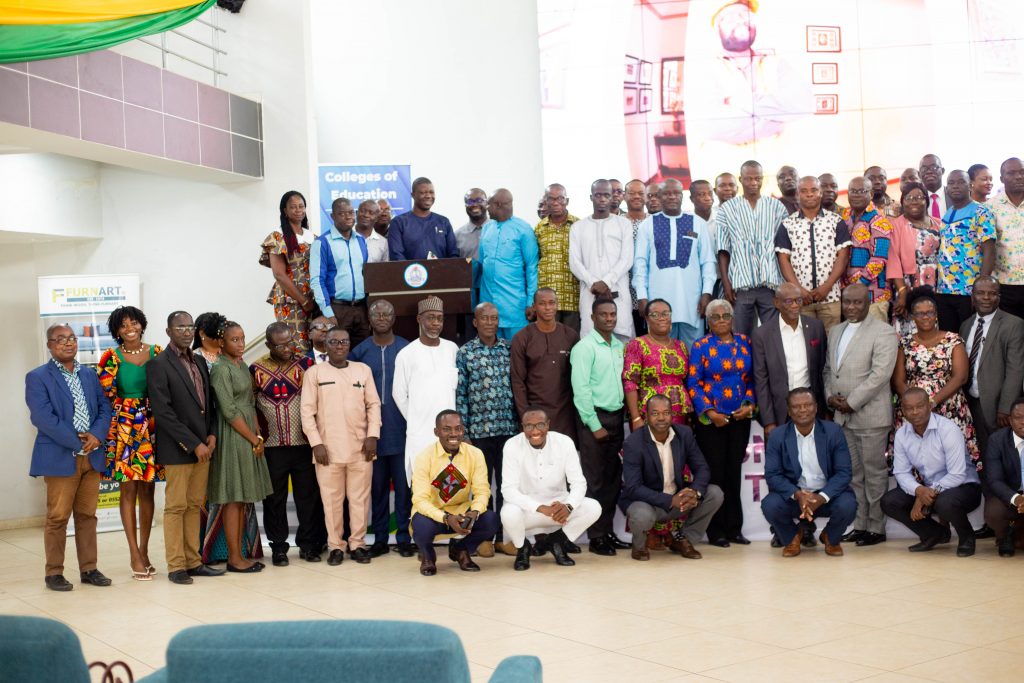
The Colleges of Education Weekly Journal (CoEWJ) recently organised a two-day National Dialogue on Initial Teacher Education at the Bediako Hall, GNAT Headquarters in Accra.
The dialogue took place on Wednesday and Thursday, 27th and 28th July 2022, under the theme “4-years into the transformation of Colleges of Education into Degree Awarding Institutions – Realities and the way forward”.